Partner Profile: Balsam Farms and the East End Summer Harvest
Nourish by The Roundtree Staff
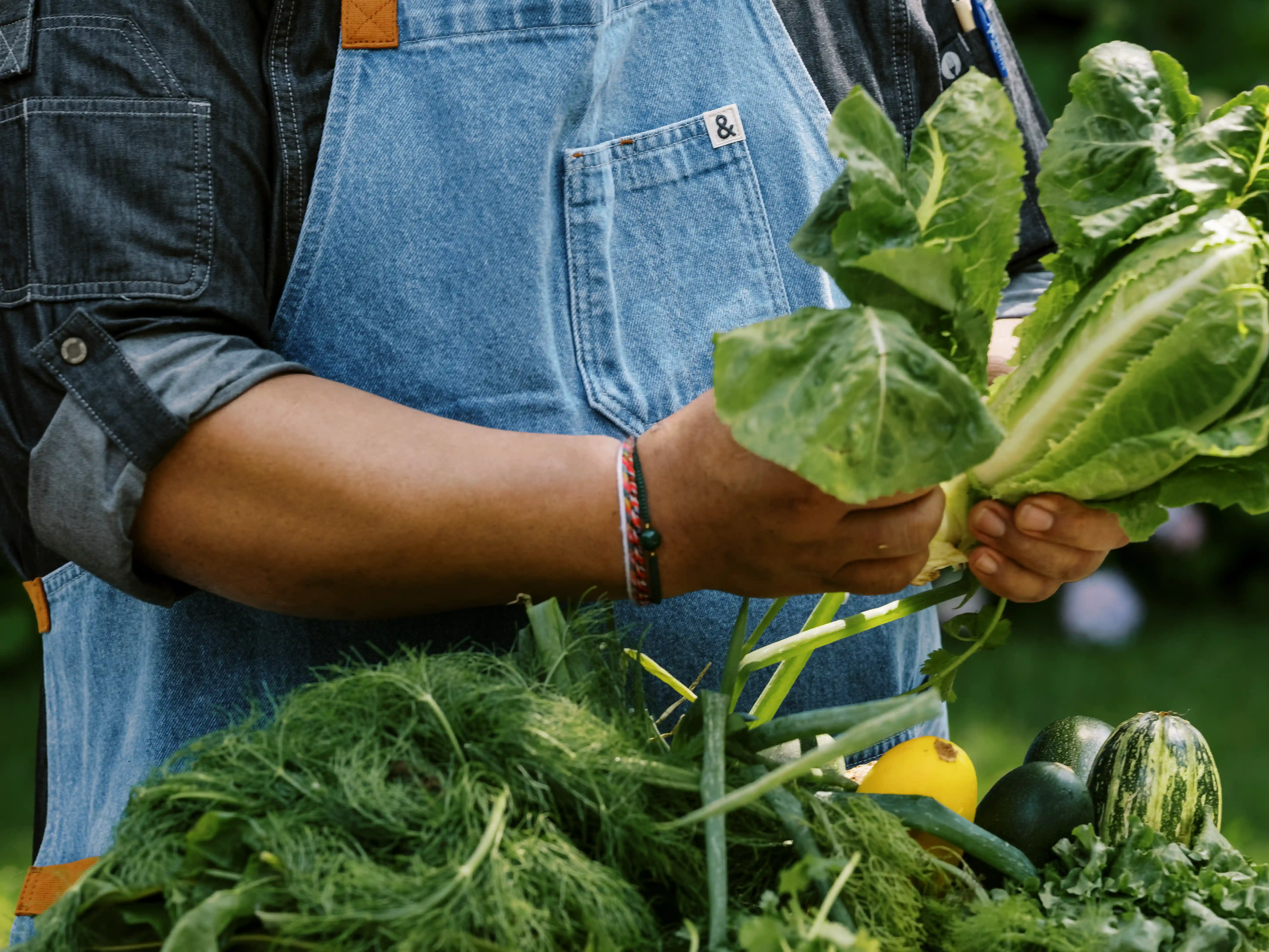
The vegetables on the Nourish summer menu travel about four miles to get there.
They come from Balsam Farms, a working farm in Amagansett that supplies the Nourish kitchen directly. Who Balsam is, and how that sourcing relationship actually works, explains a lot about what ends up on the plate.
The farm
Balsam Farms was founded in 2003 by Alex Balsam on the South Fork of Long Island. It started with ten rented acres, one tractor, and a small roadside stand. Today the farm works fields between Amagansett and Sagaponack and runs its original Amagansett farm stand, a Montauk market, local delivery, a CSA program, and a wholesale operation that supplies restaurants across the East End, from Amagansett to East Hampton.
The Amagansett stand is the most visible part of the business. It carries Balsam’s own vegetables, herbs, fruits, and flowers alongside dairy, meat, baked goods, and jarred items. The wholesale side is what connects Balsam Farms to Nourish directly.
The sourcing relationship
Nourish buys from Balsam Farms through a direct wholesale arrangement, not through a distributor. Produce harvested in Amagansett reaches the Nourish kitchen in Bridgehampton the same day or the next morning.
That matters because the time between harvest and delivery changes what the ingredient actually is when it reaches the kitchen. Lettuce, herbs, and tomatoes are different 24 hours after harvest than they are at five days. A direct supply chain from a farm four miles away removes most of that gap.
Chef Dewa Wijaya’s menu is built around what comes in from the farm rather than fixed in advance. When Balsam has strong tomatoes, the kitchen cooks tomatoes. When the corn arrives in July, it shows up on the plate. The menu follows the supply.
What Balsam Farms grows and when
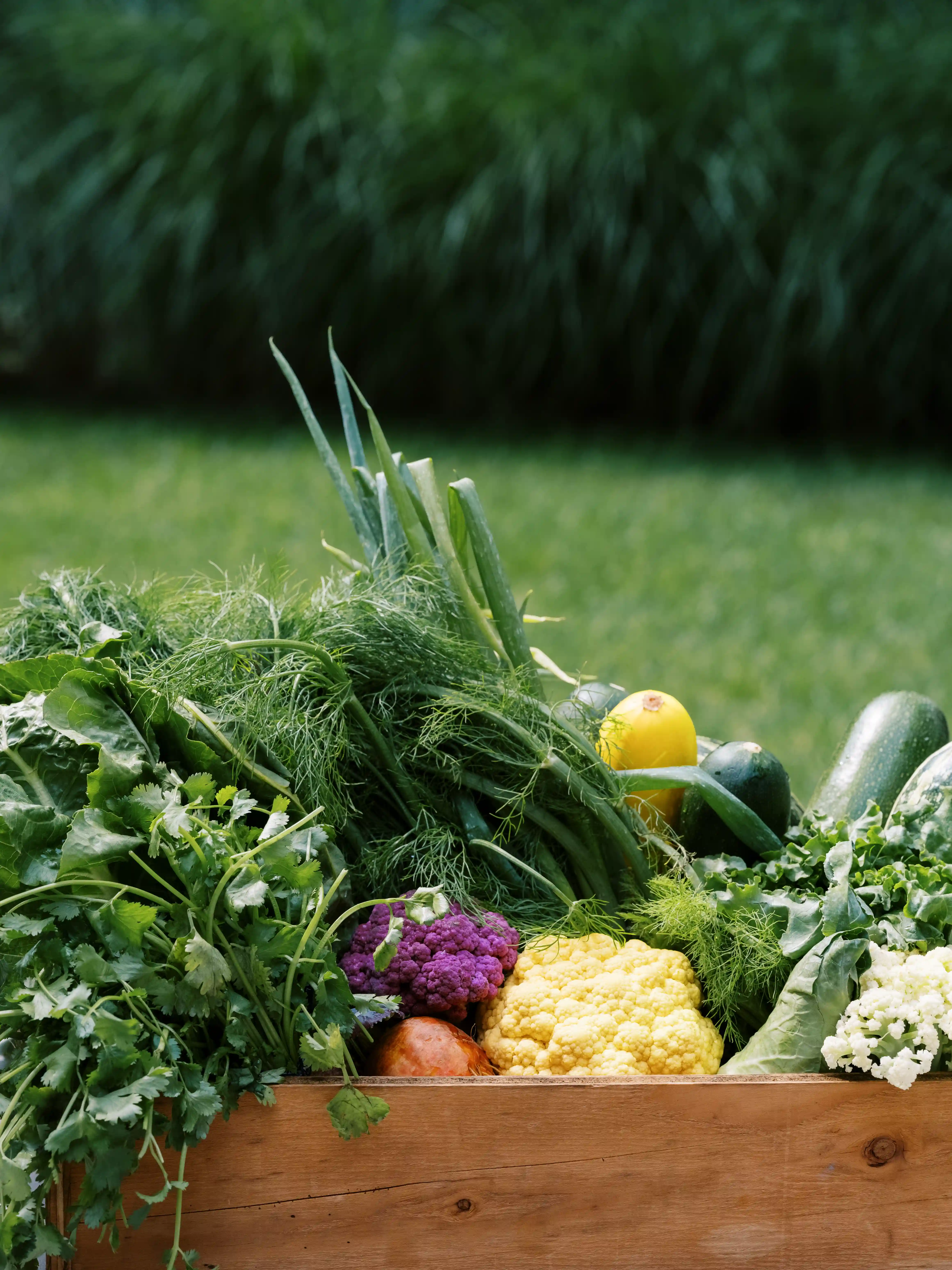
The East End growing season runs from late May through October. June brings the early crops: lettuces, herbs, peas, spring onions, the first outdoor tomatoes, and summer squash. The produce at this stage is lighter and less abundant than what arrives later.
By mid-July the harvest is at full volume. Tomatoes are in full production across more than 100 varieties. Sweet corn arrives in several bicolor varieties, timed to ripen in sequence through the season. Peppers, eggplant, cucumbers, zucchini, cranberry beans, and herbs fill out the summer harvest.
September begins to wind down. The tomatoes and corn slow. Root vegetables, winter squash, and hardier greens come forward. The stand stays open through the fall, but the character of what is available shifts considerably from August.
The Nourish menu reflects that progression. What Chef Dewa is cooking in June looks different from what he is cooking in August, because the supply is different.

Why direct sourcing matters
Most restaurant supply chains run through distributors. A distributor aggregates product from many farms, which means the kitchen is buying from a catalogue rather than from a specific field. The produce is graded for uniformity and packed for transit, which often means it is picked before it is fully ripe.
Balsam Farms delivers direct to the restaurants it supplies. The kitchen knows what is coming in before it arrives. That gives Chef Dewa room to adjust the menu around the actual harvest rather than working around a fixed order placed days ahead.
For a guest at Nourish, the result is simple: produce that is fresher and more seasonal than what most farm to table restaurants in the Hamptons are working with, even those that list local sourcing on the menu.