Vegetables of the East End: Dr. Chan on What’s Growing and What It Does for Your Body
Nourish by The Roundtree Staff
Dr. Albert Chan starts with a simple question when he talks to patients about changing how they eat: what is available near you right now?
It is not rhetorical. The answer shapes everything else. What grows nearby, in season, almost always outperforms what has been processed, warehoused, or transported across a supply chain. On the East End in June, the answer to that question is unusually good.
Summer Vegetables at Their Peak
The South Fork of Long Island has a growing season shaped by proximity to the ocean. Cool springs give way to warm, humid summers. The sandy, well-drained soil produces vegetables with a concentration of flavor that is hard to replicate from inland growing conditions.
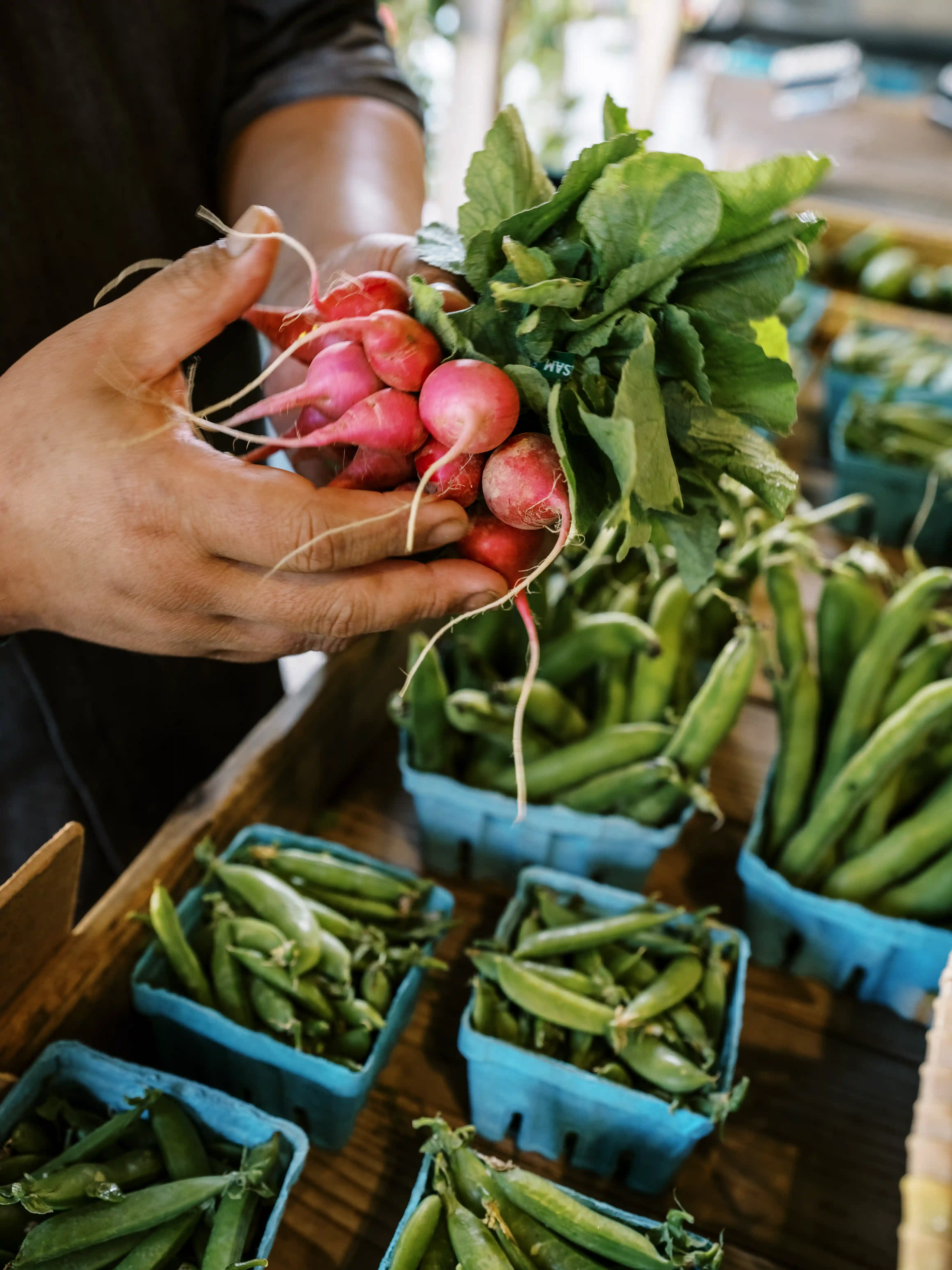
By June, the first tomatoes are arriving. Summer squash, lettuces, radishes, snap peas, and early onions are all in production. The farm stands, including Balsam Farms in Amagansett, are full. This produce is not in transit. It was harvested within the last day or two and sold close to where it was grown. That matters more than most people realize.
What Dr. Chan Says About Phytonutrients and Freshness
Dr. Chan’s approach to nutrition is built around vegetables as a foundation, not a supplement to the meal. The populations with the best long-term health outcomes consistently eat diets with high vegetable volume across all seasons and cultures. The specific vegetables change. Their central place on the plate does not.
Freshness is one of the variables he comes back to most. Phytonutrient content in vegetables is highest immediately after harvest. It degrades through storage, transit, and exposure to oxygen and light. A tomato picked two days ago is nutritionally different from one that spent ten days moving through a distribution system. The difference is measurable, and it is not small.
This is the practical argument for eating local produce in season, separate from any preference or philosophy. Vegetables from a nearby farm, harvested recently, carry more of what makes them worth eating. That is the case Dr. Chan makes from a cardiovascular and longevity standpoint.
Seasonal Vegetables and the Nourish Kitchen
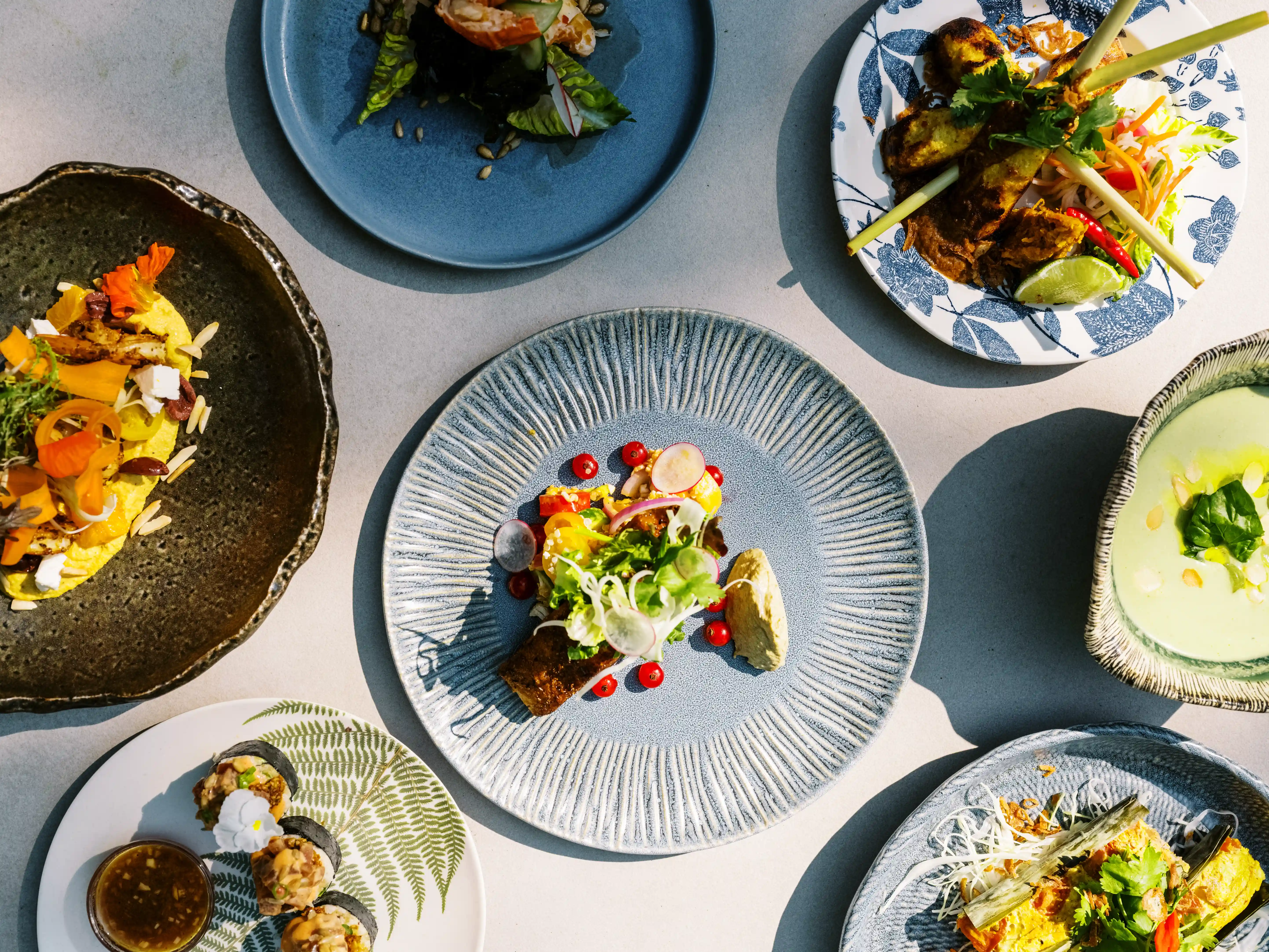
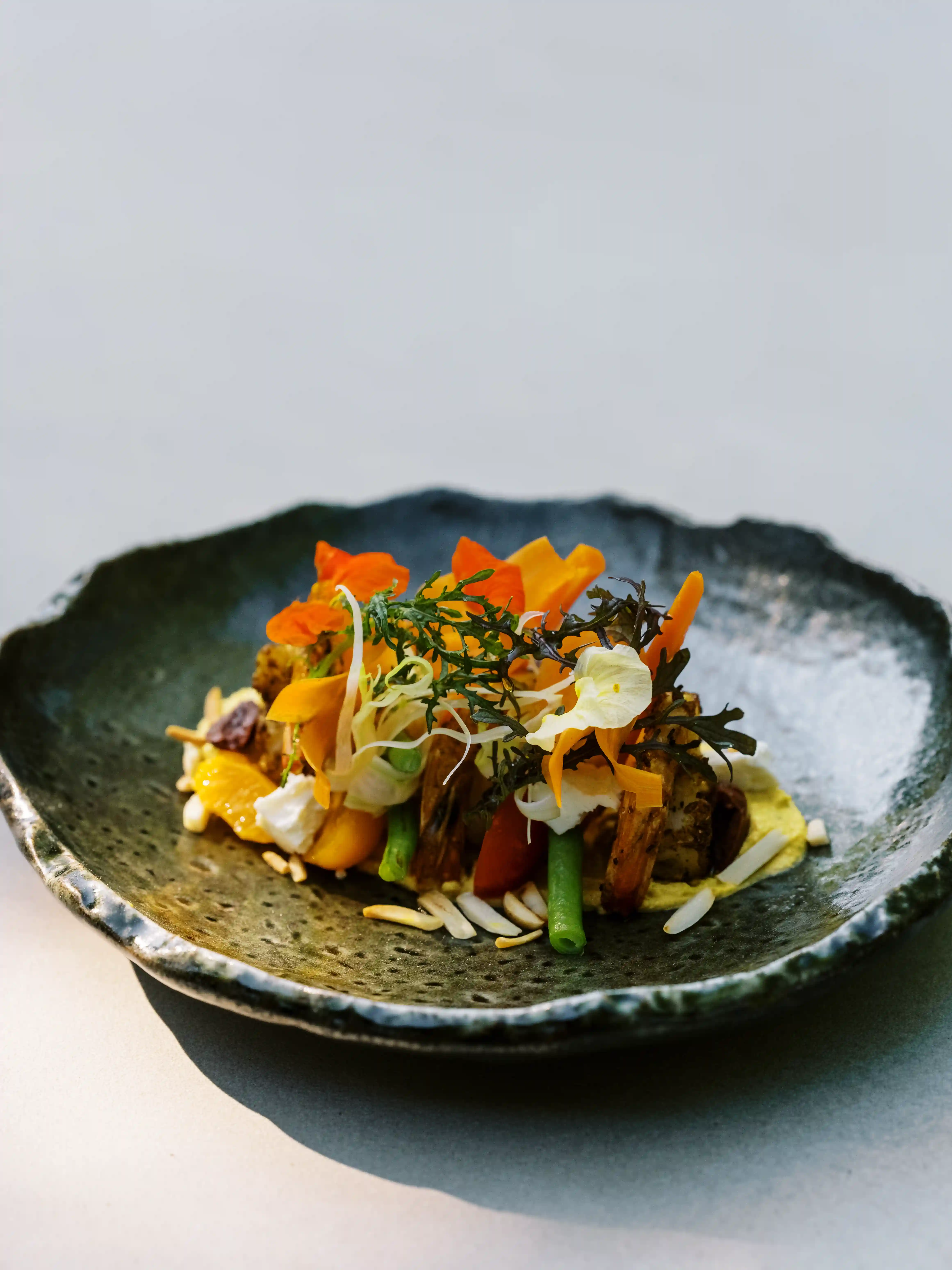
The Nourish menu in June reflects what the East End is producing. Chef Dewa sources directly from local farms where possible. The vegetable preparations on the menu, the salads, the side components, the plant elements in the grilled and steamed dishes, are built around what arrived from the farms that morning.
This is the right relationship between a kitchen and its suppliers. The alternative is to fix a menu in advance and source to match it, which prioritizes logistics over ingredient quality. At Nourish, the ingredient leads. The preparation follows.
For a guest eating dinner at Nourish in June, the summer vegetables on the plate were grown on the East End within the last 48 hours. Dr. Chan’s recommendation to eat what is fresh, local, and in season is, at this restaurant in June, simply what the menu is.
What the East End Grows and When
The East End growing season runs from late May through October, but what is available shifts considerably across those months. For a kitchen sourcing from local farms, this is not a constraint. It is the structure around which the menu is built.
June brings the first outdoor tomatoes, not the full abundance of August, but the early varieties that have been in the ground since the last frost. Lettuces, radishes, snap peas, spring onions, and the first summer squash are all in production. The pace at the stands quickens as the warm weather settles in.
July and August are the peak months. Sweet corn arrives in force. Balsam Farms, which grows several bicolor corn varieties timed to ripen in sequence through the season, sells between 3,000 and 4,000 ears a day at its Amagansett stand during the height of summer. Tomatoes reach full production, with well over 100 varieties grown on the farm across fields between Amagansett and Sagaponack. Peppers, eggplant, cucumbers, zucchini, cranberry beans, and herbs fill out the summer harvest.
September pulls back. The tomatoes and corn wind down. Hardier crops come forward: winter squash, root vegetables, late peppers, and greens that do better in cooler weather. The stand stays open through the fall, but the character of what is available changes. The Nourish kitchen follows that shift. September’s menu looks different from July’s, which is the point.
From Balsam Farms to the Nourish Kitchen
Balsam Farms operates a wholesale program supplying restaurants on the East End, and Nourish is among its restaurant partners. The practical effect of that relationship is a short supply chain: produce harvested in Amagansett arrives at the kitchen in Bridgehampton the same day or the next morning.
This is different from how most restaurants source. The standard model runs through a distributor, which adds days between harvest and delivery and requires produce to be harvested before it is fully ripe in order to survive the longer transit. Direct sourcing from a farm a few miles away skips that step. What arrives in Chef Dewa’s kitchen is at a different stage than what arrives in a kitchen sourcing through a national distributor.
For the guest, this shows up on the plate in ways that are easier to taste than to explain. The sweetness in a piece of corn that was picked that morning is measurably different from corn that was harvested two days earlier and shipped. The same applies to tomatoes, summer squash, and most of what fills the East End stands in July and August. Freshness at this level is not a marketing claim. It is a factual difference in what you are eating.
About the Wellness Series
This is the second post in the Nourish Wellness Series for June, a collaboration with Dr. Albert Chan across the 2026 season. The series looks at the overlap between longevity nutrition and the way the Nourish kitchen sources and cooks. Earlier posts covered the alignment between Mediterranean diet principles and the East End summer table, and the case for seafood as a primary protein. This post focuses on seasonal vegetables and why summer on the East End is one of the better times and places to eat them.