What a Cardiologist's Longevity Diet Looks Like on a Hamptons Summer Menu
Nourish by The Roundtree Staff
Most longevity advice starts with what to avoid.
Dr. Albert Chan, a cardiologist and the author of Happy Longevity, starts somewhere harder: with what to build toward.
The way of eating he writes about, properly named, is a longevity diet. His best evidence, right now, is in season.
That framing is why Nourish brought him in.
What longevity eating actually means
The word “longevity” carries certain associations. It tends to conjure restriction: shorter menus, fewer pleasures, food that performs wellness more than it delivers it.
Dr. Chan’s work is not that.
In Happy Longevity, he draws on clinical research and evidence-based medicine to make a case for eating that is, in practice, the opposite of restriction. Seasonal vegetables. Fish, especially the kinds pulled cold and fresh from nearby water. Whole grains. Foods that are minimally processed and close to their origin. Meals eaten slowly, with other people, without excessive hurry.
The science here is not new. What is rarer is a kitchen that actually builds around it, rather than simply claiming to.
The alignment with Chef Dewa’s kitchen
When Nourish founder Sylvia Wong and Chef Dewa Wijaya began shaping the menu in Bridgehampton, they were not consulting a longevity database. They were following the logic of the East End.
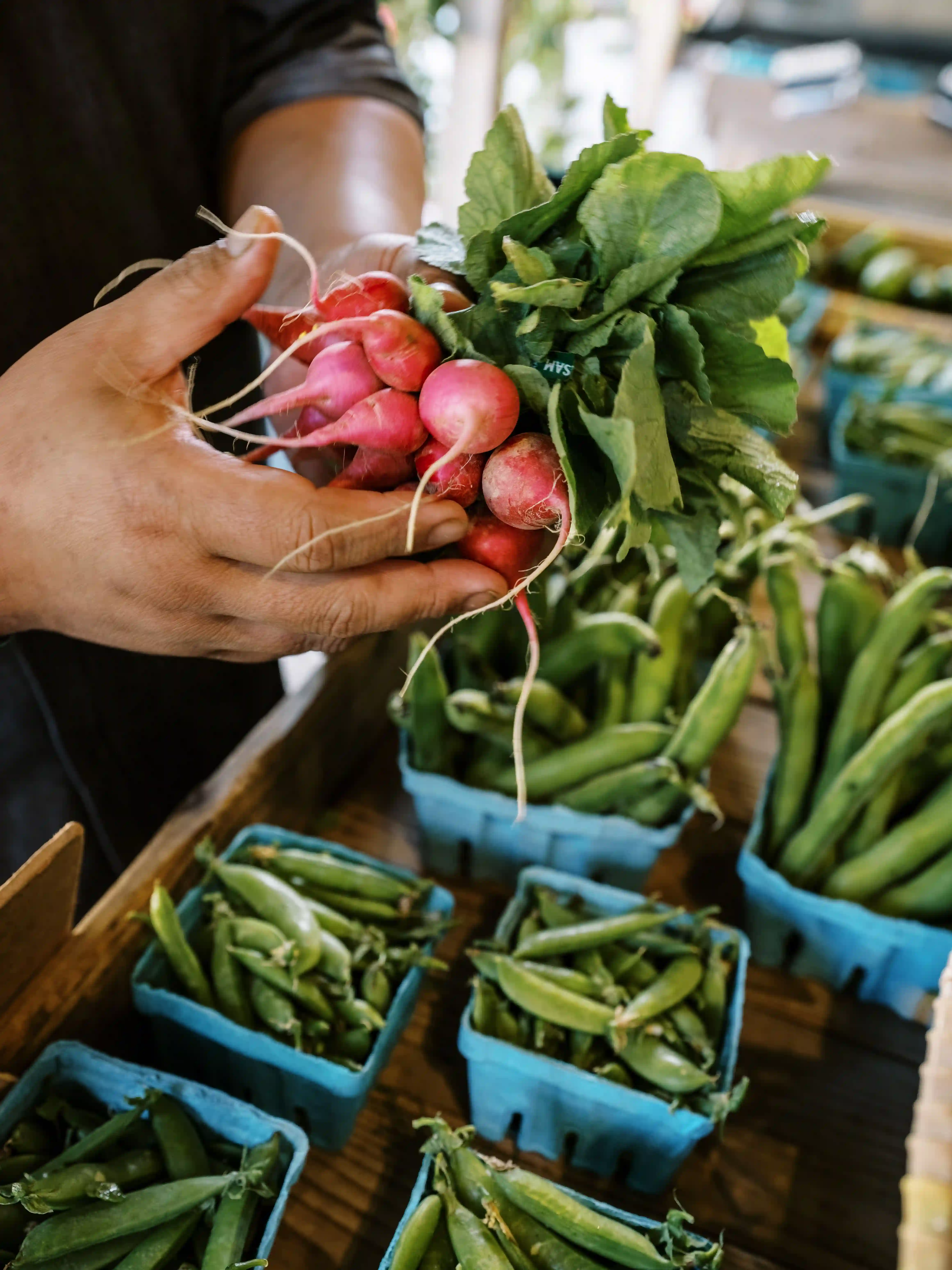
The farms here deliver produce that is genuinely seasonal. The catch at Gosman’s in Montauk arrives fresh in a way that changes the flavor of every fish dish on the menu. The produce from Balsam Farms in Amagansett is picked the morning it reaches the kitchen, and that timing changes the dish nutritionally as much as it does on the palate. None of this was engineered to align with a health philosophy. It simply does, because good local sourcing and good nutrition tend to pull in the same direction.
Dr. Chan’s framing makes that connection explicit. Chef Dewa would recognize every principle: eat what is in season, eat what was recently alive, eat in a way that does not ask your body to work harder than it needs to. These are the working rules of a longevity diet, and they are also, by instinct more than intention, the working rules of how Chef Dewa cooks.
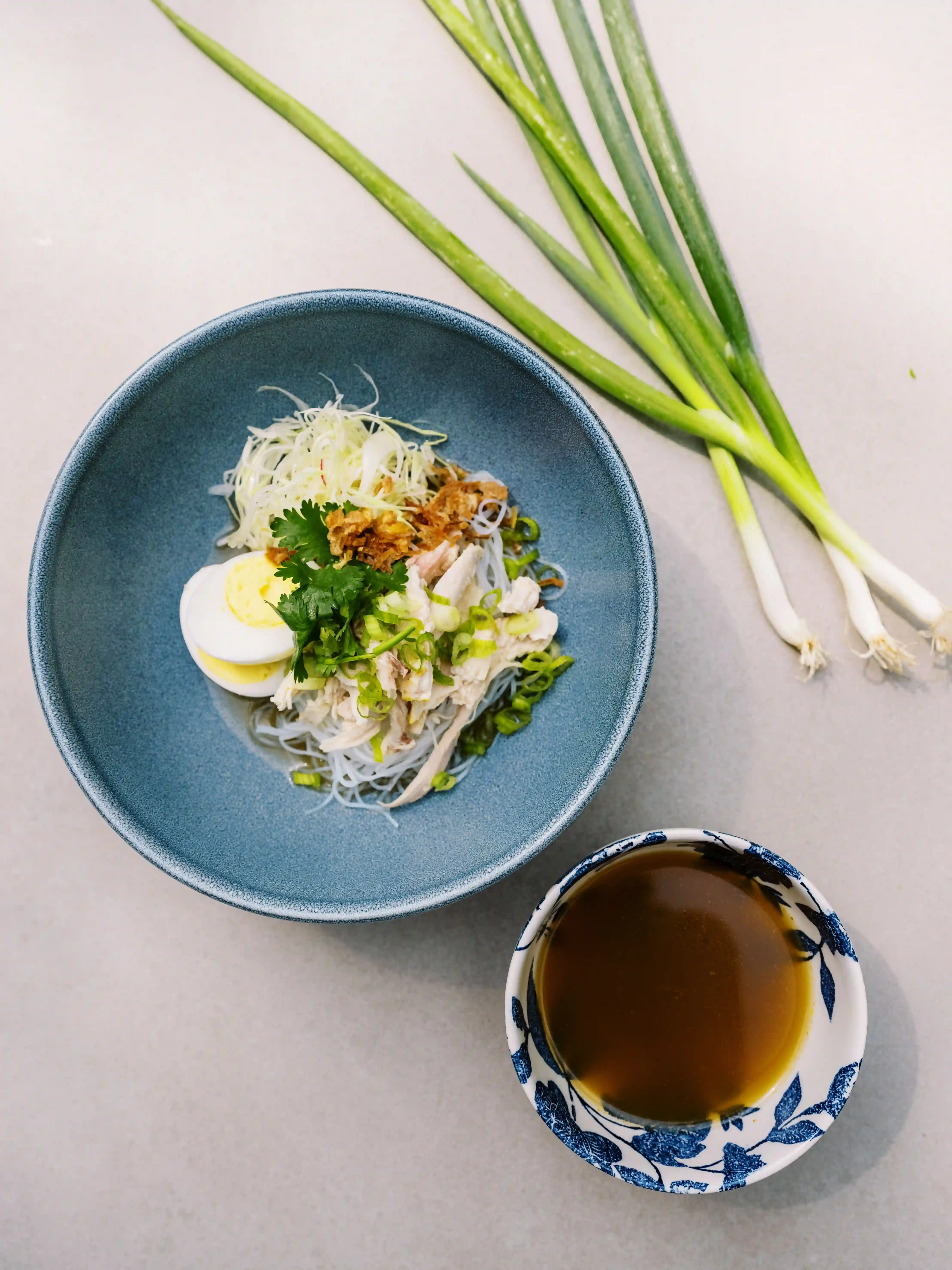
The steamed sea bass with ginger, shiitake, bok choy, and red rice is not presented as health food. It is presented as a beautifully cooked piece of fish. But the preparation is also, by any longevity standard, close to ideal: light, aromatic, built around a protein with excellent nutritional composition, served alongside vegetables that add texture and minerals rather than competing for attention.
The flame-grilled jumbo prawn with chickpea-carrot purée, Balsam Farm sweet corn, pickled shallots, and toasted almonds works the same way. Each component does something. Nothing is superfluous. The dish does not need cream to feel complete.
Summer, specifically
Summer changes what a body needs in ways that are easy to overlook.
The heat shifts appetite. Digestion runs differently. The kinds of meals that feel satisfying in January, heavy with fat and starch and slow reduction, begin to sit wrong by July. Something lighter, brighter, more hydrating starts to make more sense.
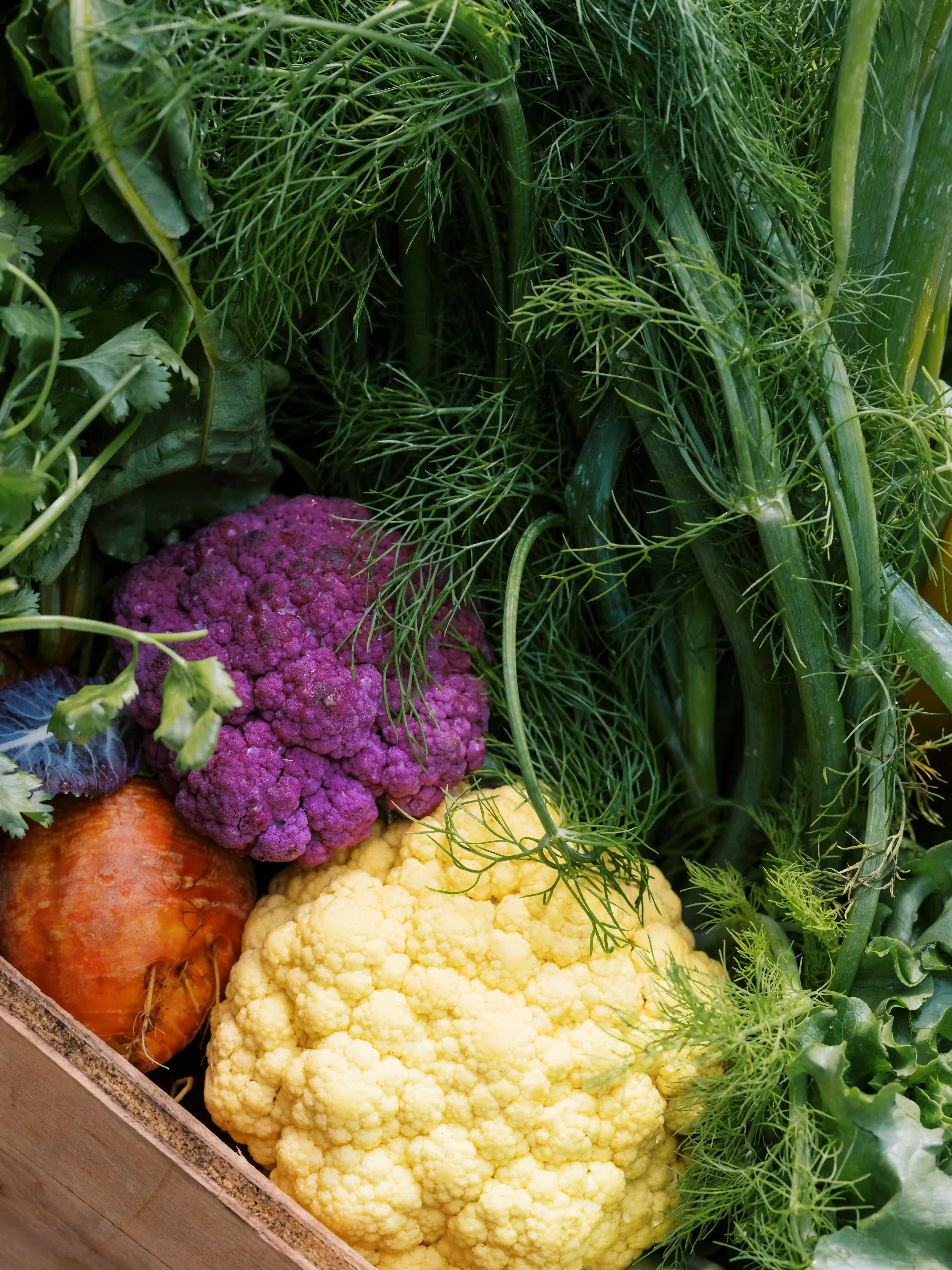
Dr. Chan’s perspective on summertime eating follows from the same evidence base. The foods that grow in summer, picked ripe and prepared simply, tend to be exactly what the body is asking for. High water content. Antioxidants from peak-season produce. Omega-3s from cold fish pulled from nearby water.
The East End is well situated for this. The proximity of farms, fish, and table is unusual. Most restaurants source produce that has traveled too far and arrived too late. A Balsam Farms tomato picked at the right moment and eaten the same day is not the same ingredient as a grocery store tomato. The difference is measurable, nutritionally and otherwise, and on a good summer evening it is also simply obvious.
At Nourish, that kind of produce arrives daily. What Dr. Chan’s work adds is a language for understanding why it matters beyond flavor.
The Wellness Series
This is the first post in the Nourish Wellness Series, a recurring collaboration with Dr. Chan running across the season. Each entry will bring his perspective to a specific topic where the science of eating well meets summer on the East End.
The series is not intended to turn dinner into medicine. It is intended to close the gap between knowing and doing, which is where most wellness writing falls short.
The next time you sit down at Nourish, you do not have to think about any of this. Chef Dewa already has. Dr. Chan is here to explain why that matters.