Why this Hamptons Lobster Roll at Nourish Has No Mayonnaise
Nourish by The Roundtree Staff
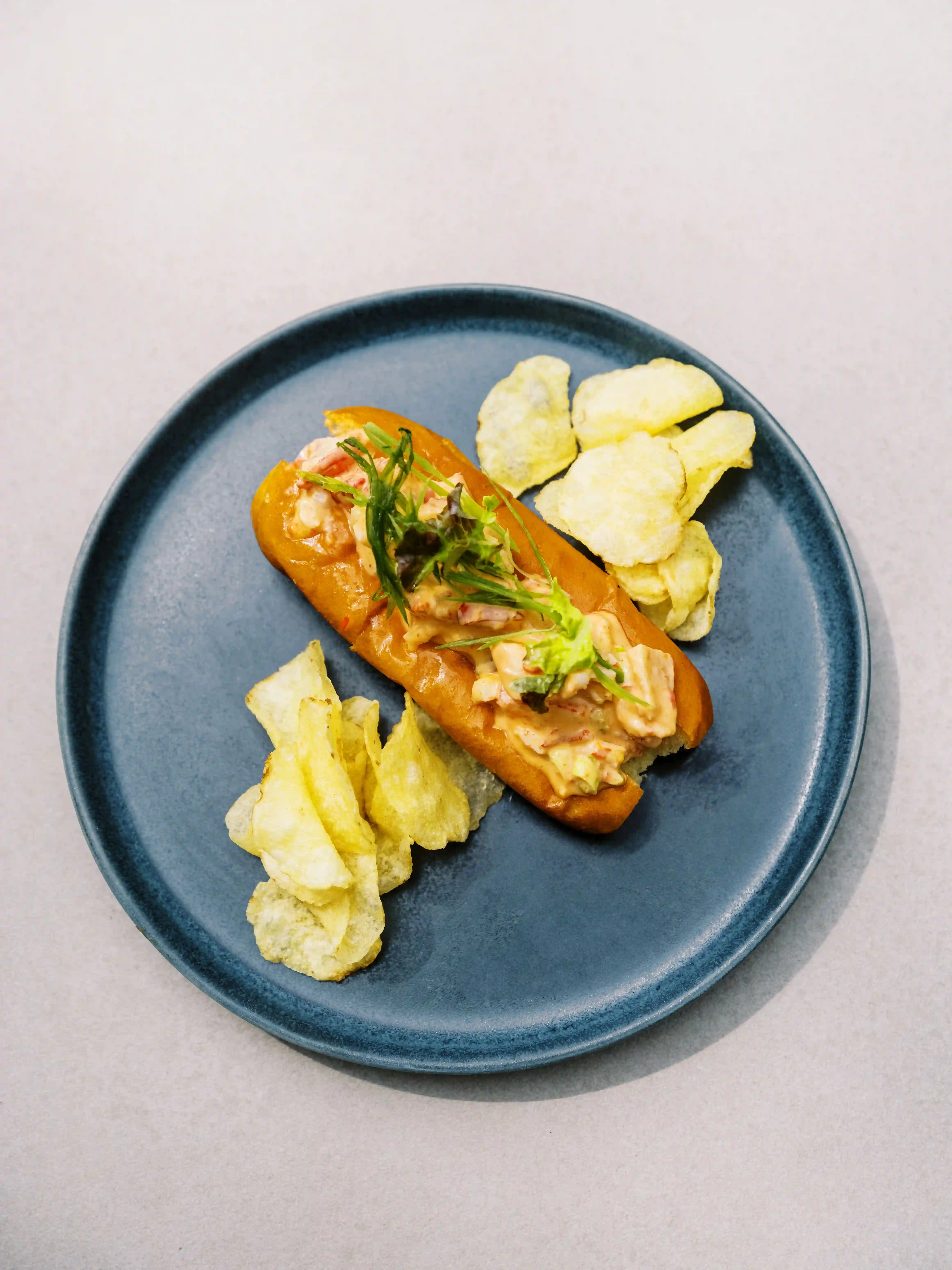
The Hamptons lobster roll has a standard form.
A hot dog bun, usually. The roll split and lightly griddled. Cold lobster meat, chilled, dressed in mayonnaise. Maybe a little lemon. Maybe a little celery. Served with chips.
It is a very good thing, prepared well.
Chef Dewa Wijaya did not touch the mayonnaise. He replaced it entirely.
What he used instead
For decades, the Hamptons lobster roll has held to two traditions. Maine style: cold lobster, dressed in mayonnaise. Connecticut style: warm lobster, dressed in melted butter. The Nourish version is neither.
The base of the Nourish Lobster Roll is a macadamia sour cream.
That choice is not arbitrary. Macadamia nuts have a fat profile that is genuinely different from most nut-based alternatives: high in monounsaturated fat, mild in flavor, with a richness that binds without the heaviness that a dairy-forward cream or mayonnaise brings. When blended to a sour cream texture, macadamia produces something that coats the lobster without drowning it. The flavor of the lobster stays forward.
Chef Dewa learned macadamia as an ingredient during his years cooking through COMO Hotels' Pacific properties. In Hawaii and across Southeast Asia, macadamia appears regularly in high-end cooking as a fat with a different kind of luxury than butter: richer in feel, cleaner on the palate. He carried it with him to the East End.
The result is a lobster roll that is lighter than the classic, more complex in its fat notes, and built to let the main ingredient do its work.
The rest of the dish
The macadamia sour cream is the foundation. What sits on top of it is where Chef Dewa's global lens becomes visible.
Furikake, the Japanese seasoning blend of dried seaweed, sesame, and salt, is sprinkled over the lobster. The effect is immediate and distinctive: the flavor goes slightly oceanic and roasted, and the umami lifts the sweetness of the lobster in a way that lemon and celery, the traditional companions, do not.
Then tomato and avocado, both dressed lightly, adding brightness and creaminess in opposite registers.
And the roll itself is not the standard top-split New England bun. Nourish bakes a house-made sourdough for the dish, with the structure to hold the lobster and a flavor that earns its place on the plate.
House chips on the side. The crunch matters. It is not an afterthought.
The overall effect is a dish that reads, on first bite, as familiar, because it is a lobster roll, and because the lobster is cold and fresh and East End. And then, half a second later, it reads as something else entirely. The macadamia changes the finish. The furikake changes the aroma. The avocado changes the weight.
It is the same dish, reimagined.
Why this dish exists
"The inspiration begins with the extraordinary ingredients of the East End. The farms, the waters, and the people who cultivate them provide a natural foundation for cooking that feels both vibrant and nourishing."
Chef Dewa Wijaya
The lobster roll is where that philosophy becomes most legible for a first-time guest.
The Hamptons lobster roll is a known quantity. Everyone who has spent a summer on the East End has an opinion on it. It is a dish that carries real cultural weight, the kind of weight that usually discourages a chef from touching it.
Chef Dewa touched it. What he changed, and more importantly what he kept, is the clearest statement of what Nourish is trying to do.
He kept the cold lobster. He kept the chips. He kept everything that makes a lobster roll feel like a lobster roll.
He changed the base, the seasoning, the garnish, and the bread itself, swapping the standard New England bun for a house-made sourdough. Small moves, precisely executed. The dish lands differently. Still summer. Still the East End. Still the thing you order at lunch in July and think about for the rest of the week.
But it has passed through Chef Dewa's hands now, and it does not come out the other side unchanged.
The lobster
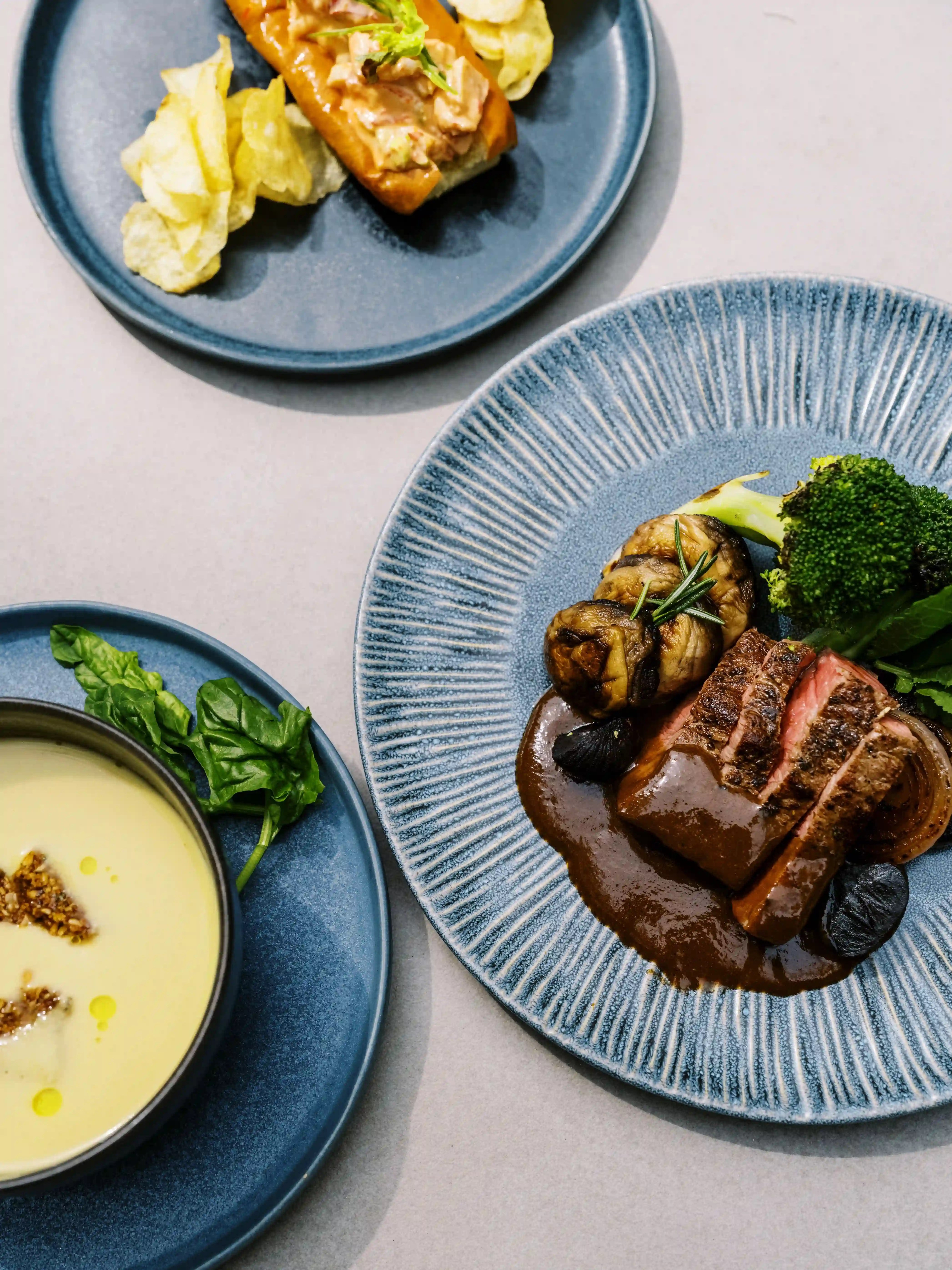
The lobster itself arrives from Gosman's in Montauk, which has supplied seafood to East End kitchens since the 1940s. Local lobster in season has a sweetness and texture that is noticeably different from what arrives by truck from further up the New England coast.
Chef Dewa does not complicate the lobster preparation. The meat is cooked simply, cooled quickly, and dressed at the last moment. The goal is to protect what makes the lobster worth using in the first place.
At Nourish, that restraint applies across the menu. A beautiful ingredient receives a preparation that amplifies without overpowering. The lobster roll is the most direct expression of that approach.
When to order it
The Nourish Lobster Roll is on the lunch menu. Available Saturday and Sunday in May, June, and September, and daily in July and August.
It is the dish guests mention most in early visits. Order it at a first lunch, before the rest of the menu has had time to speak for itself.