Chef Dewa's Sea Bass Technique: Ginger Broth and the COMO Method
Nourish by The Roundtree Staff

The sea bass at Nourish comes from Montauk. It arrives in the morning. By evening it is on the plate, served as a steamed sea bass recipe that Chef Dewa has been refining for the better part of two decades.
That is the short version. The longer version requires understanding where he learned to steam fish, and why the method produces what it does.
The COMO years
Chef Dewa spent the better part of two decades at COMO Hotels and Resorts properties, including COMO Shambhala Estate in Bali, the group's wellness-focused culinary program. COMO Shambhala kitchens operate under a specific set of principles: the food has to be genuinely nourishing, not simply described as such. Protein sources are chosen for quality and digestibility. Preparation techniques are chosen to preserve what is in the ingredient rather than cover it. Butter and concentrated fats are used sparingly, if at all.
For fish, that meant learning to build around steam rather than sear, and around aromatic broths rather than reductive sauces. Steamed fish holds its texture. Aromatics build flavor without adding fat. The result is a plate that tastes complex and satisfying, without the heaviness that a butter-finished preparation produces.
Chef Dewa carried that framework from Bali to the East End. What lands on the plate is, in lineage, an asian sea bass preparation: steamed, aromatic, built on broth rather than butter, even though the fish itself is pulled from Montauk waters.
Why ginger
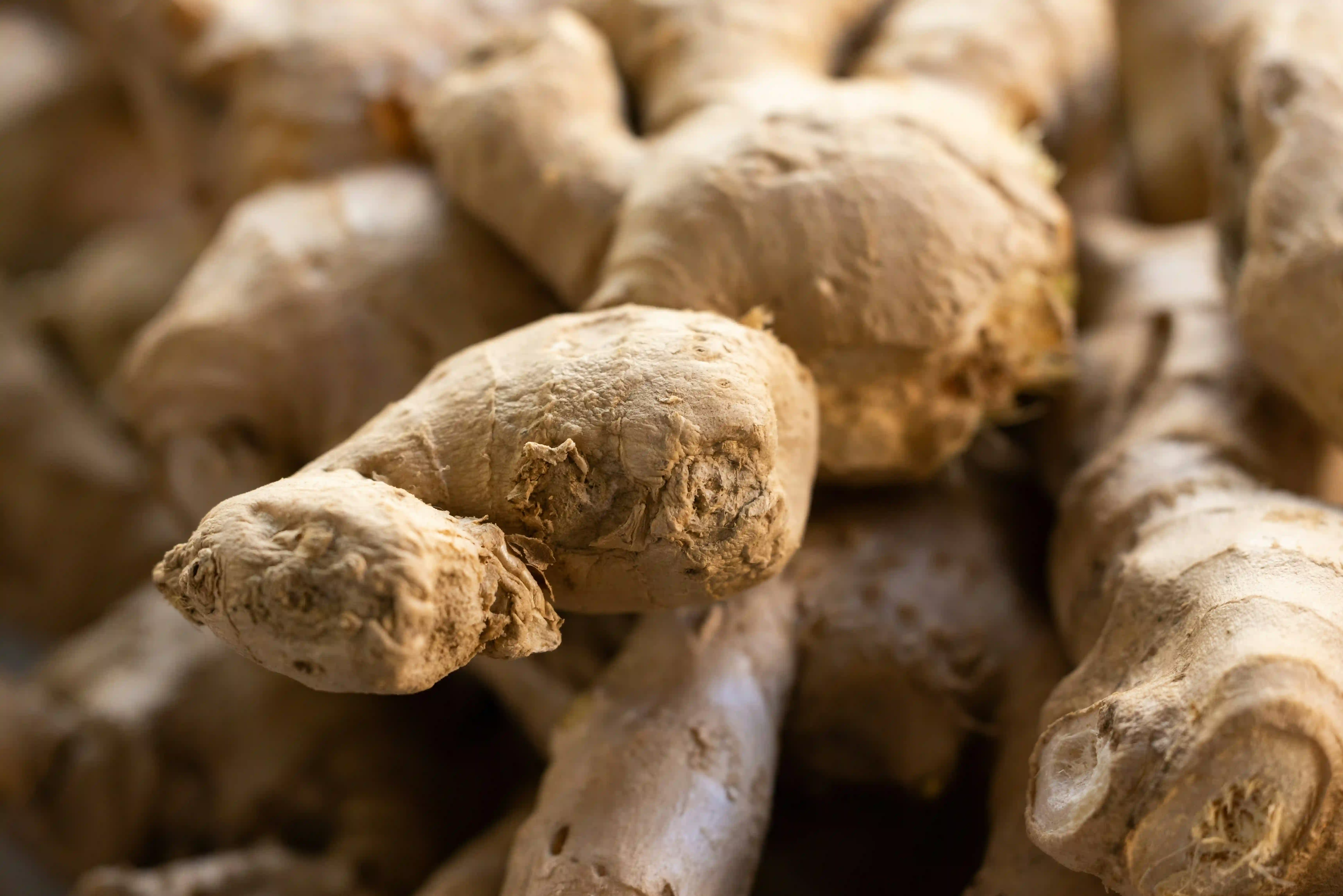
Ginger in this steamed sea bass recipe is not background. It is structural.
Fresh ginger, sliced thin and placed beneath and around the fish during steaming, releases its aromatics into the cooking liquid as the temperature rises. The steam carries those compounds through the flesh. By the time the sea bass reaches the plate, the ginger is in the fish, not just around it.
Ginger also balances. The slight heat and sharpness of fresh ginger interrupts the richness of sea bass, which has enough natural fat to feel heavy if the preparation amplifies it rather than cuts it. The ginger keeps the dish clean.
How to steam fish the right way
The method is more controlled than most home cooks expect. Here is how Chef Dewa approaches it.
The fish goes into the steamer cold. Not room temperature, cold, so the exterior does not set before the center comes to temperature. The ginger goes in beneath the fish, not on top, so the aromatics travel upward through the flesh during cooking. The shiitake mushrooms cook in the same vessel and absorb the broth as it rises. The bok choy is added toward the end of cooking so it retains its bite rather than going soft.
The broth that collects in the bottom of the steamer over the course of cooking is the most concentrated expression of everything that happened during steaming. It goes over the fish at service.
The components
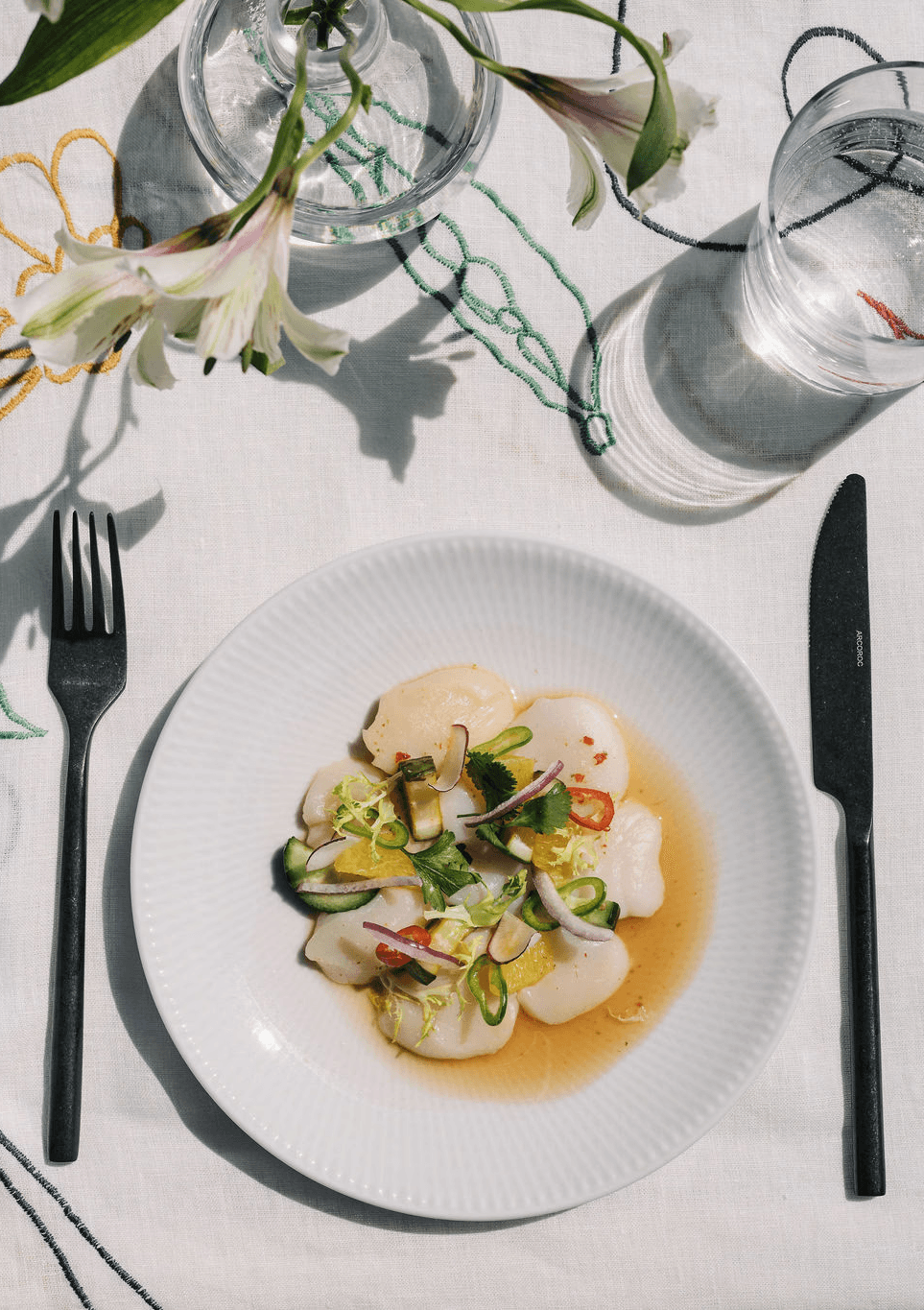
Shiitake mushrooms provide depth and a savory intensity that grounds the lighter flavor of the fish. On the plate they are fully saturated, with a quality that makes the dish feel substantial without adding weight.
Bok choy provides texture and freshness. On the plate it gives resistance where the softness of the fish and mushrooms would otherwise run together.
Red rice holds the dish. It has more fiber and a slower glycemic response than white rice. For Chef Dewa, the accompaniment earns its place or it does not appear.
What it tastes like
The sea bass at Nourish tastes like the fish. That is the point.
Everything around it lifts the fish rather than replacing it. The ginger opens the palate. The shiitake provides a savory counterweight that makes the sweetness of the fish more present, not less. The bok choy gives resistance. The red rice absorbs the broth and carries it through the rest of the plate.
It is a dish that rewards paying attention.
For the cardiologist's case for eating more fish prepared exactly this way, read What a Cardiologist Says About Eating Fish This Summer.